Built for business owners past the “quick money” phase.
INTRODUCING…
Build a Stronger Path to Business Funding
Established business entities + business software enrollment — strategically combined to help entrepreneurs build a stronger business profile and pursue financing opportunities.
Explore business enrollment solutions and established business entities designed for entrepreneurs seeking to strengthen their business profile and pursue financing opportunities.
When a Shelf Corporation is paired with our Software Enrollment, the combination is designed to provide a more comprehensive business foundation and help entrepreneurs get more value from their overall business strategy.
Step 1
Business Credit & Capital Assessment
We review your business to identify funding strengths, approval barriers, and opportunities to increase borrowing capacity.
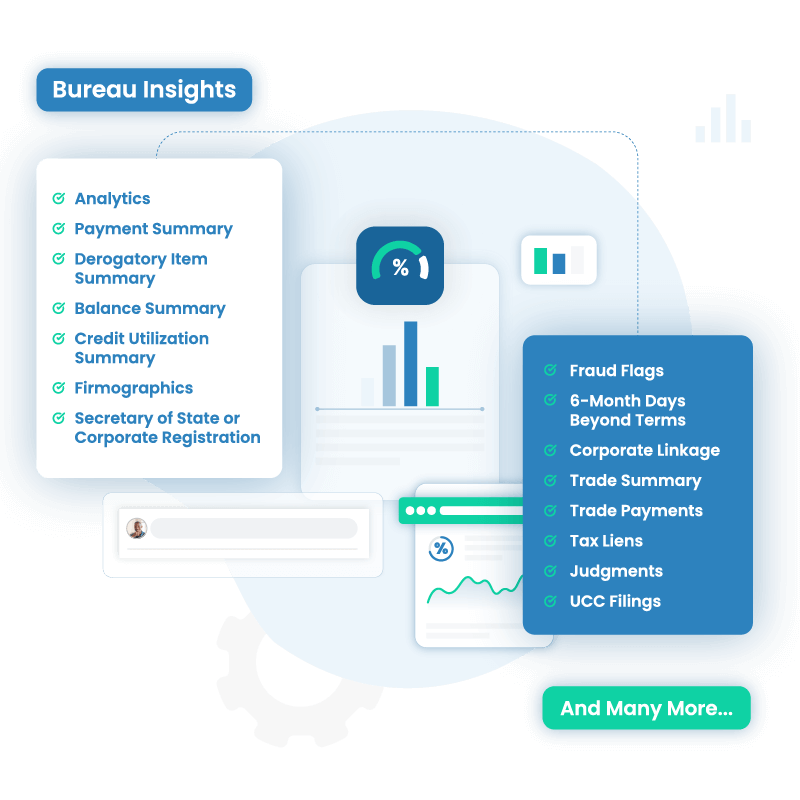
Business credit
Existing debt & UCCs
Vendor accounts
Approval barriers
Goal: Create a clear path toward stronger business credit and more capital.
Step 2
Build Business Credit & Borrowing Capacity
Next, we begin developing the credit profile and positioning the business for stronger financing opportunities.
Depending on the business, this may include:
Vendor and trade credit
Net 30/60/90 terms
Revolving business accounts
Business credit cards
Equipment and fleet credit
Preparing for bank and alternative financing
Goal: Create borrowing capacity while reducing dependence on daily-payment financing.
Step 3
Optimize Your Existing Business or Add a Shelf Corporation
We determine which structure gives you the strongest path forward.
That may mean continuing to build your existing company or incorporating a properly acquired and transferred shelf corporation into the strategy.
We help organize:
Business-credit development
Entity documentation
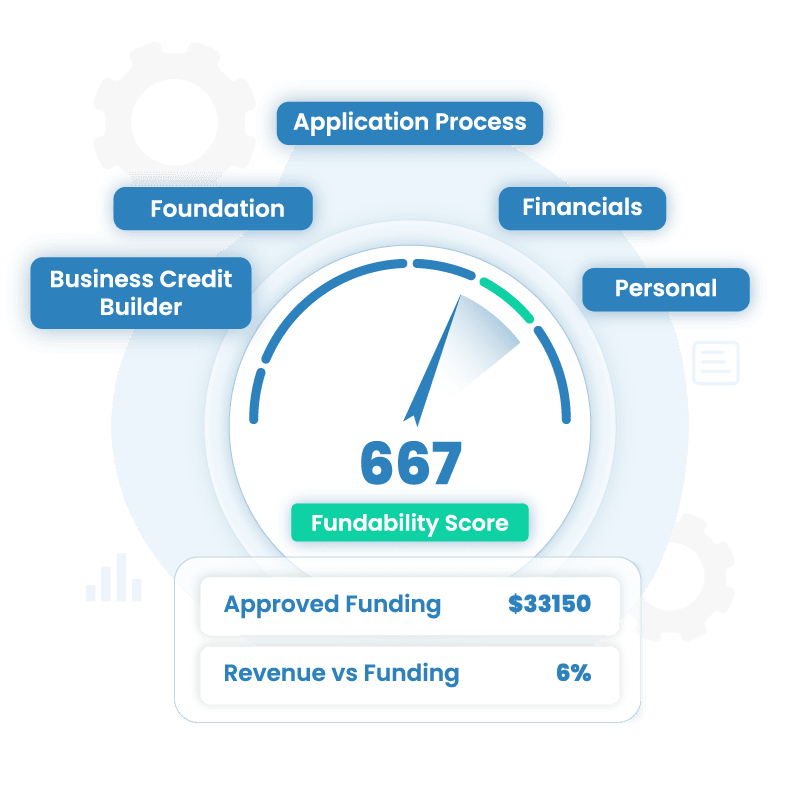
Funding-readiness requirements
Appropriate use of a personal guarantor when needed
Future funding rounds
Goal: Build a business structure that is properly positioned for the financing programs you intend to pursue.
Step 4
Estimated Capital Access
Business Funding — No Personal Guarantee
Illustrative potential range: $25,000–$100,000+
May include:
Business credit cards
Vendor/trade accounts
Business lines and revolving facilities
Equipment/vendor financing
Other business-only financing programs
Goal: Build toward capital that relies primarily on the business profile rather than your personal credit.
Step 5
Business Funding — With Personal Guarantee
Illustrative potential range: $50,000–$450,000+
A strong personal credit profile and willingness to provide a PG can potentially open additional financing options, including:
Higher-limit business cards
Bank lines of credit
Term financing
Equipment financing
Larger revolving facilities
Goal: Use both the business and personal credit profiles strategically to expand available financing options.
Important: These figures are illustrative examples of potential financing capacity, not promises or guaranteed approvals. Actual amounts, rates, terms, PG requirements, and eligibility are determined by each lender or funding provider based on underwriting, revenue, credit history, time in business, financials, industry, and other factors.
Software Enrollments
Build Your Business Funding Strategy
Our Software Enrollment provides access to our business funding and capital-readiness platform designed to help entrepreneurs organize, prepare, and navigate the funding process.
Pair an Established Entity With the Right Business Capital Platform
Shelf Corporation + Software Enrollment
When appropriate, combining both solutions can provide a more comprehensive path than using either one independently.
Important: An aged business entity or Software Enrollment does not guarantee financing, approval, or a specific funding amount. Actual funding depends on the business profile, lender requirements, underwriting, revenue, creditworthiness, documentation, and other factors.
1-Year Shelf Corporation
Starting Price: $3,500
Age: 1+ Year
Potential Funding Capacity: Subject to underwriting $350,000
Shelf Corporations are previously formed business entities that have existed for a period of time before being made available for acquisition. An established formation date may be relevant to certain business strategies, but age alone does not guarantee financing, approval, or a specific funding amount.
SAME DAY BRIDGE STRATEGY
Some clients use short-term capitalonly as a bridgeto cover upfront costs while transitioning into institutional structures.